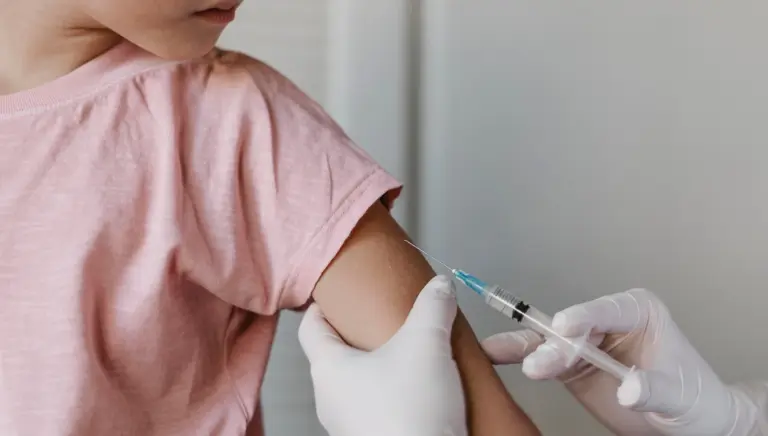
Vaccinations protect children from serious diseases—yet myths still cause concern. Here’s what parents need to know.


Introduction
Vaccinating children is one of the most effective ways to protect them from serious and preventable diseases. Yet, myths and misinformation about vaccines continue to circulate, leaving many parents confused or hesitant. Understanding the truth behind these myths is crucial for your child’s health and the wellbeing of the community.
This article explores common myths about child vaccinations and presents scientifically proven facts to help parents make informed decisions.
Common Myths Debunked
The European languages are members of the same family. Their separate existence is a myth. For science, music, sport, etc, Europe uses the same vocabulary.
Childhood Vaccinations: Myths vs. Facts
Myth 1: Vaccines Cause Autism
Fact: There is no scientific evidence linking vaccines to autism.
The misconception began after a now-discredited 1998 study falsely claimed a connection between the MMR (measles, mumps, and rubella) vaccine and autism. Multiple large-scale studies across the world have since confirmed that vaccines do not cause autism. The ingredients in vaccines are safe and strictly regulated by global health authorities such as the World Health Organization (WHO) and the Centers for Disease Control and Prevention (CDC).
Myth 2: Children Don’t Need Vaccines for Rare Diseases
Fact: Diseases that were once common, like polio and measles, have declined because of widespread vaccination.
However, low vaccination rates can lead to outbreaks. Even if a disease is rare in your area, it still exists elsewhere and can return if children are unvaccinated. Vaccines not only protect your child but also create herd immunity, safeguarding others who cannot be vaccinated for medical reasons.
Myth 3: Natural Immunity Is Better Than Vaccine-Induced Immunity
Fact: While natural infection can sometimes offer immunity, it often comes at a high cost — severe illness, hospitalization, or even death.
Vaccines mimic infection to train the immune system safely, without causing the disease. For example, natural measles infection can lead to pneumonia or brain inflammation, whereas the MMR vaccine provides immunity without those risks.
Myth 4: Too Many Vaccines Overload a Child’s Immune System
Fact: A child’s immune system is strong enough to handle multiple vaccines at once.
Every day, children are exposed to thousands of germs from food, air, and surfaces. Vaccines contain only a tiny fraction of these antigens. Scientific research shows that combination vaccines and multiple immunizations are safe and effective. They do not weaken or “overload” the immune system.
Myth 5: Vaccines Contain Harmful Ingredients
Fact: Vaccine ingredients are thoroughly tested and used in very small, safe amounts.
Ingredients such as aluminum salts, formaldehyde, and preservatives may sound concerning, but they exist in trace amounts — far less than what’s naturally found in food or the environment. Their role is to make vaccines more effective and stable. Health authorities ensure that every component is non-toxic and safe for children.
Myth 6: My Child Is Healthy, So They Don’t Need Vaccines
Fact: Good health does not replace vaccination.
Even healthy children are vulnerable to infectious diseases. Some illnesses, like meningitis or measles, can strike without warning. Vaccination provides a shield that healthy living alone cannot offer. It’s a proactive step to keep your child protected before exposure happens.
Why Child Vaccinations Are Important
Prevent life-threatening diseases such as measles, polio, diphtheria, and whooping cough.
Protect future generations by helping eliminate deadly diseases.
Ensure school and travel readiness as many institutions require vaccination records.
Save families money by avoiding hospital bills and long-term complications.
Tips for Parents
Follow the recommended vaccination schedule from your pediatrician.
Keep a vaccination record book for your child.
Report any mild side effects like soreness or fever — they are usually temporary.
Always get vaccines from certified healthcare providers.
Conclusion
Vaccines are a cornerstone of public health and one of the safest, most effective tools for protecting children. Myths about vaccinations can spread fear, but facts supported by science prove their safety and necessity. By choosing vaccination, you are safeguarding not only your child but also your community.