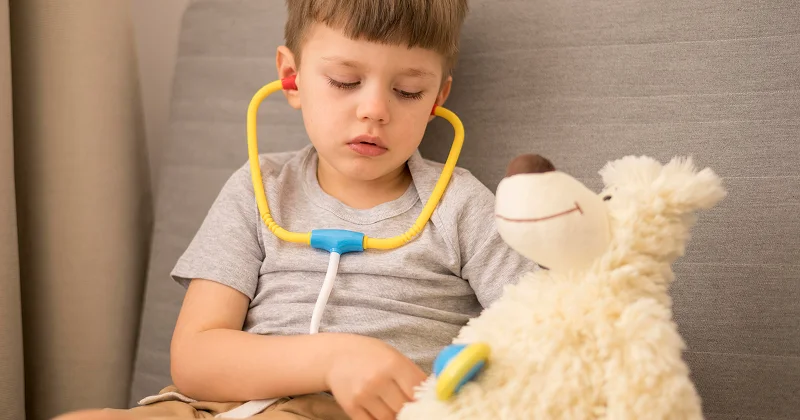
Regular pediatric visits ensure your child’s growth and development stay on track, helping prevent illnesses before they start.


Regular pediatric visits ensure your child’s growth and development stay on track, helping prevent illnesses before they start.
Why Pediatric Checkups Matter
Every parent wants their child to grow healthy, strong, and happy. But good nutrition and care at home are not enough. Regular pediatric checkups play a vital role in monitoring your child’s overall health and preventing potential problems before they become serious. These visits allow pediatricians to track growth, update vaccinations, and provide guidance tailored to your child’s age and needs.
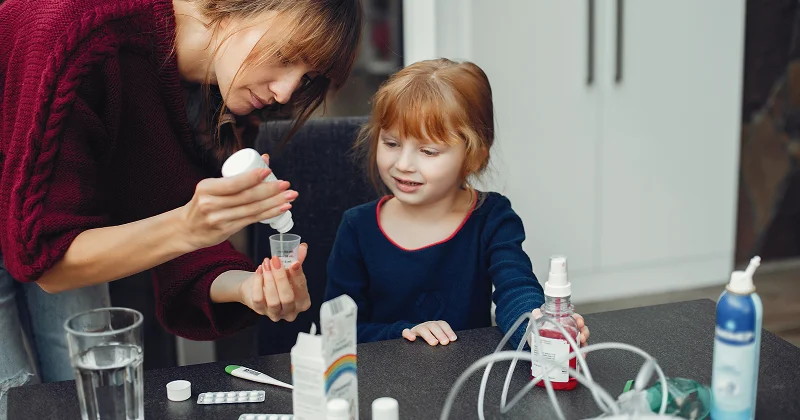
The Importance of Regular Pediatric Checkups
To achieve this, it would be necessary to have uniform grammar, pronunciation and more common words. If several languages coalesce, the grammar of the resulting language is more simple and regular than that of the individual languages. The new common language will be more simple.
The European languages are members of the same family. Their separate existence is a myth. For science, music, sport, etc, Europe uses the same vocabulary. The languages only differ in their grammar, their pronunciation and their most common words.
Everyone realizes why a new common language would be desirable: one could refuse to pay expensive translators. To achieve this, it would be necessary to have uniform grammar, pronunciation and more common words.
If several languages coalesce, the grammar of the resulting language is more simple and regular than that of the individual languages. The new common language will be more simple and regular than the existing European languages.
1. Early Detection of Health Issues
Regular pediatric visits help doctors identify potential health problems early, such as vision or hearing issues, growth delays, or allergies. Early detection allows for early treatment, which can significantly improve your child’s long-term health outcomes. Pediatricians can also notice subtle signs of developmental or behavioral disorders that might not be visible to parents.
2. Staying Up to Date with Vaccinations
Vaccinations are one of the most effective ways to protect children from serious diseases. During each pediatric appointment, your doctor ensures your child’s immunization schedule is current. This helps prevent illnesses like measles, polio, influenza, and whooping cough, protecting both your child and the community.
3. Tracking Growth and Development
From measuring height and weight to evaluating motor skills and cognitive development, pediatric checkups help doctors monitor your child’s progress at every stage. If a child is underweight, overweight, or not meeting expected milestones, the pediatrician can recommend timely interventions such as dietary changes, therapy, or further evaluations.
4. Building Healthy Habits from an Early Age
Pediatric visits are also valuable opportunities for parents to learn about nutrition, sleep routines, hygiene, and emotional well-being. Pediatricians can guide families on balanced diets, screen time limits, and managing behavioral challenges, helping children develop positive habits that last a lifetime.
5. Strengthening the Parent-Doctor Relationship
Consistent visits help build trust and communication between parents and the pediatrician. Over time, this relationship becomes a reliable support system where parents can comfortably discuss any concerns about their child’s physical, mental, or emotional health.
How Often Should You Schedule Pediatric Checkups?
Newborn to 2 years: Every few months, as recommended by the doctor
Ages 2 to 5: Once a year for routine health checks and vaccinations
Ages 6 and older: Annual checkups to monitor growth, development, and emotional health
Regular visits ensure that any changes in your child’s health are noticed early and addressed effectively.
Conclusion: Investing in a Healthier Future
Regular pediatric checkups are an investment in your child’s lifelong health. They ensure proper growth, timely vaccinations, and emotional well-being, while empowering parents with the knowledge to make informed decisions. Prioritizing routine pediatric care is one of the best ways to give your child a strong and healthy start in life.